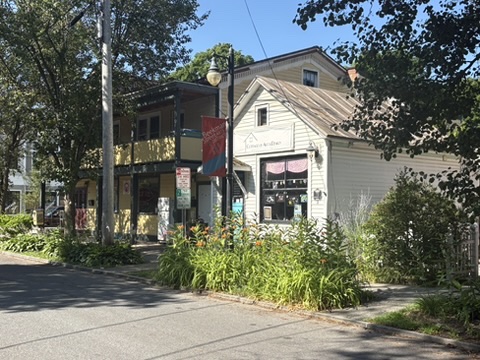
Walking Directions: Continue on Beekman and walk down to the corner of Ash. Turn left at Plum & Crimson onto Ash Street towards South Franklin. Take your time enjoying the architecture and ambiance of this beautiful street as you proceed to the next stop where the Irish section begins.
Introduction to Stop 6
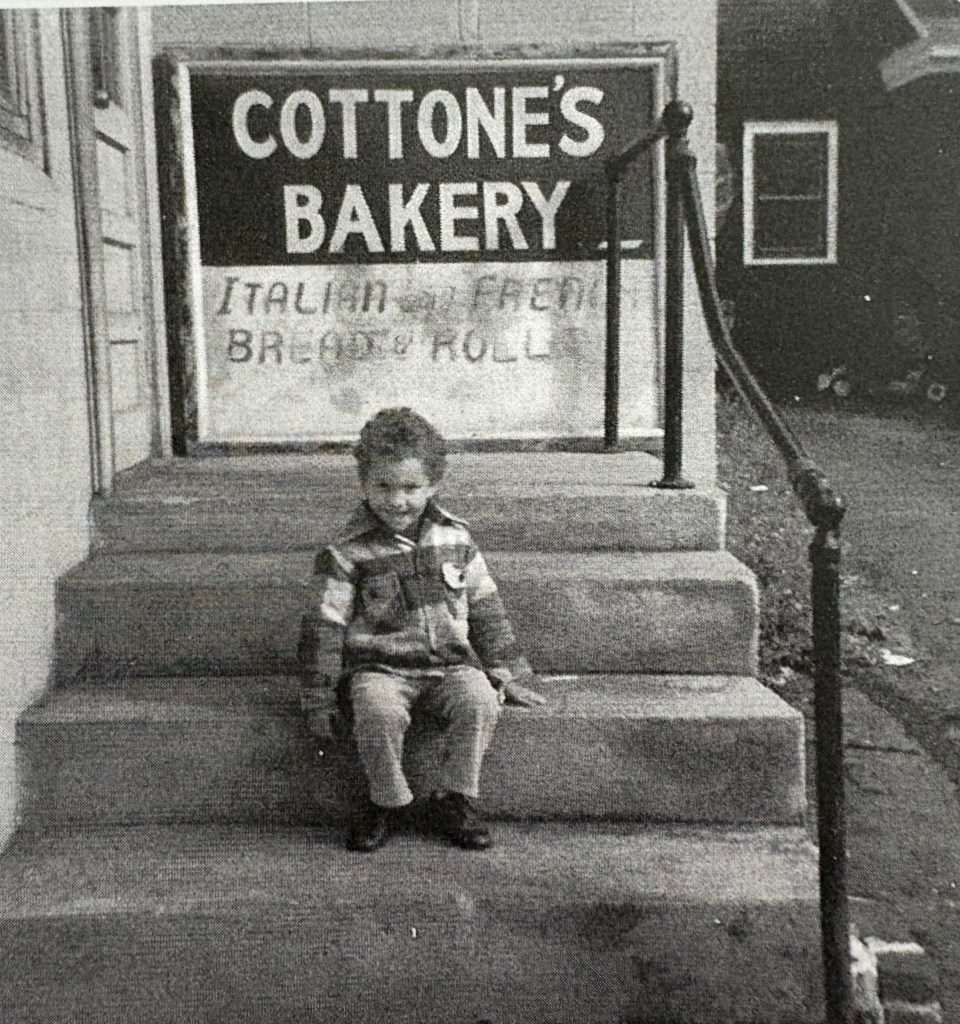
Cottone’s Bakery was a staple of the west side from the 1950s to the 70s. Located at the corner of Elm and Ash, Cottone’s bread was the foundation of the famous Scudder sandwich.
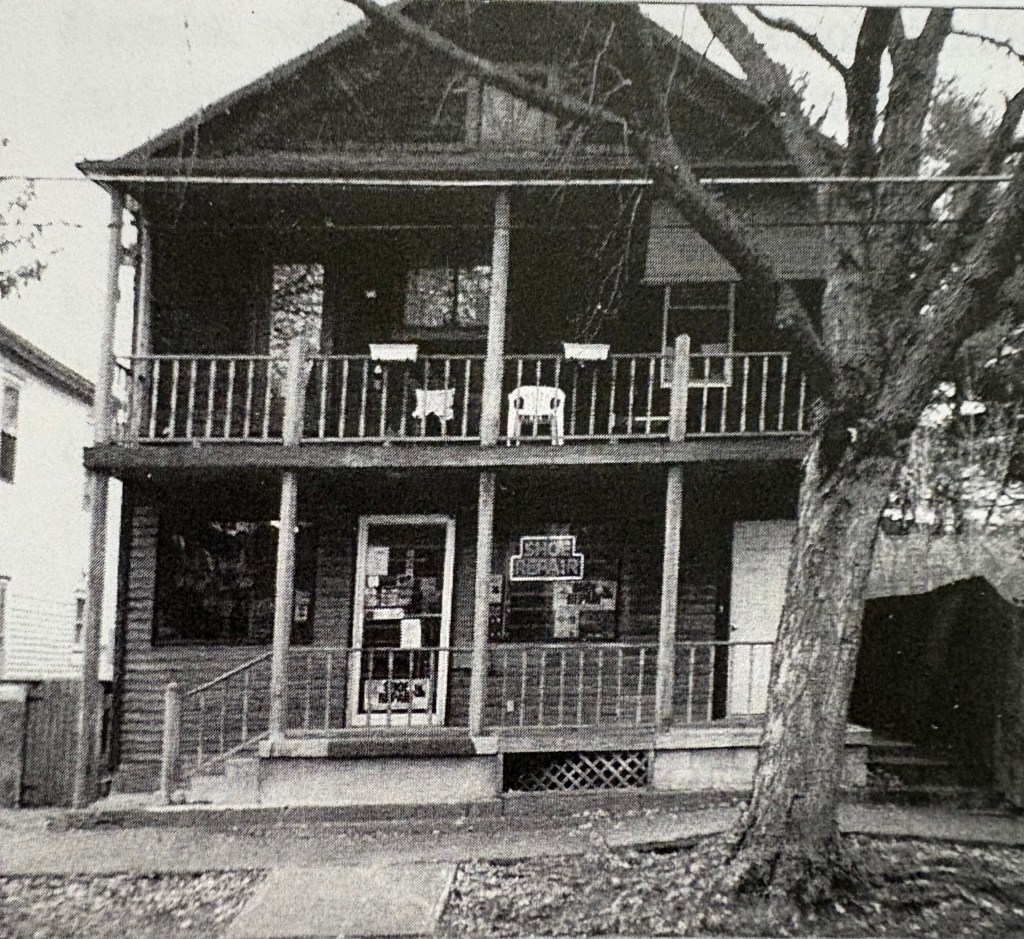
Bart’s Shoe Hospital was located at 55 Beekman Street. It was one of the oldest businesses on the west side opening in 1922 by Bart Sabino.
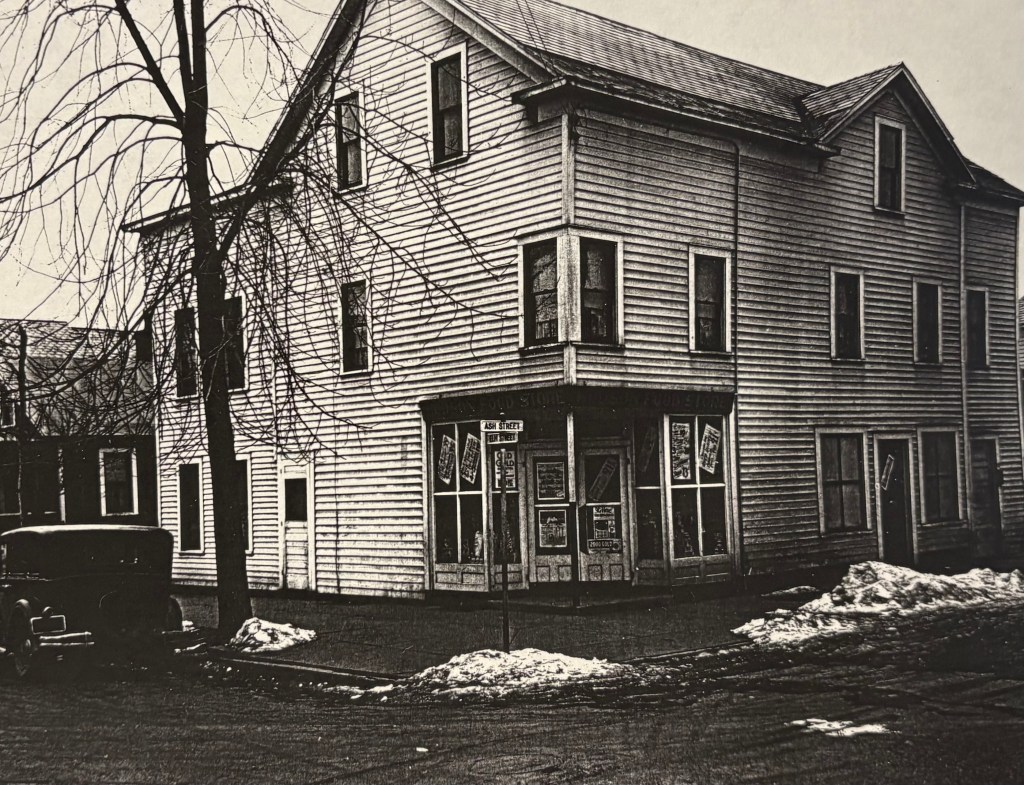
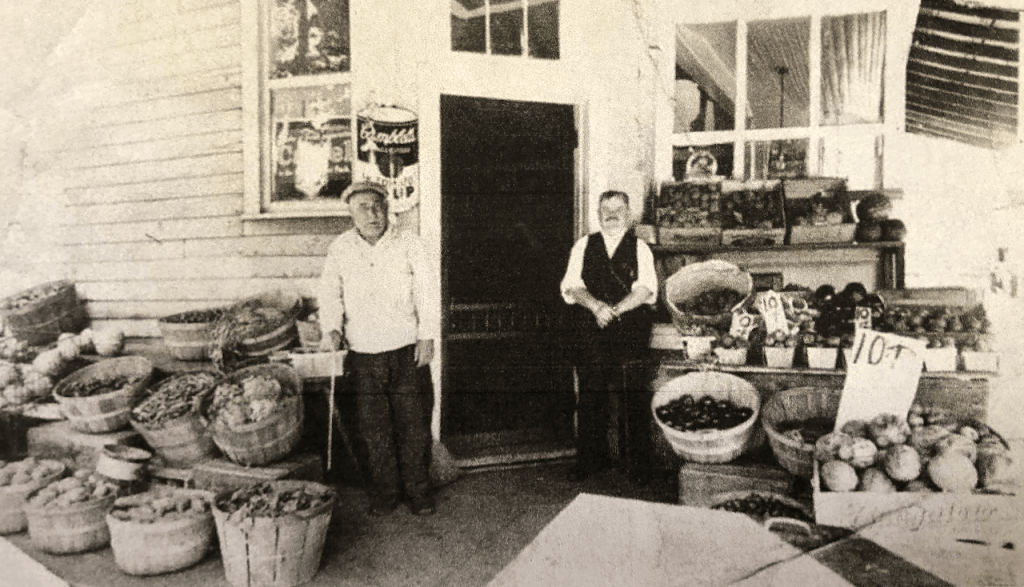
There were several businesses, primarily grocery markets, at 173 Elm street over the years. It was initially Matrazzo’s Store, then the Hudson Store and finally West Side Importing Company in the late 1940s. The building was converted to a private residence in 1950.
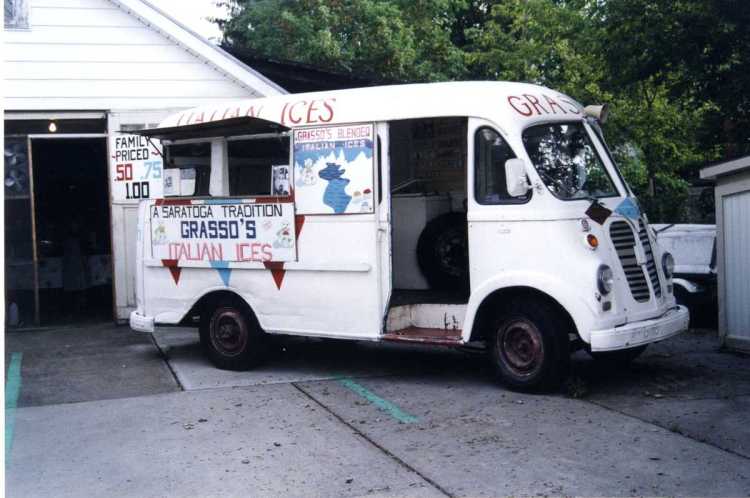
The wagon used by Ralph Grasso Sr. to sell his Italian ice in the late 1920s was replaced with a truck in 1938 and ultimately with a (then) new 1954 International Harvester Van. The iconic Grasso Italian Ice van was in operation until 2018. While the truck is being restored, the beloved Grasso Italian ice is still available at venues in Saratoga. (audio clip below)
The Story
The center of the west side neighborhood was the corner store. Everything from grocery markets and restaurants to barber shops and shoe repair were found up and down Beekman and the surrounding streets. “Anyone could start a store in those days. There were no laws. You could put a few loaves of bread in the front window and you had a grocery store” – Marian Welch, daughter of Mary Ferrara Matrazzo owner of “Mary’s Store” on Walnut Street. (Dublin Revisited: Stories of the West Side)
The area of Beekman between Ash and Oak Street had numerous businesses over the years and along the side streets of Ash, Elm and Oak. In addition to the established businesses there were street vendors including a fish monger, knife sharpener, milk man, ice man, lemon ice vendor (Grasso’s Lemon Ice), and egg and chicken peddlers on the street.
Grasso’s Lemon Ice is a Saratoga tradition. Ralph Grasso Sr. immigrated to the US in 1921 and settled in Saratoga in 1923. He sold Lemon Ice from a pull wagon for years before getting a truck in 1938. Ralph Grasso Sr. died in 1985 and his son and grandsons carry on the tradition of making Italian ice. In 1954 the family updated the wagon to the iconic vintage truck still seen on Saratoga streets. In the clip below, recorded in 1999, Ralph Grasso Jr shares how his father had to make and sell the lemon ice in the 1920s.
Listen
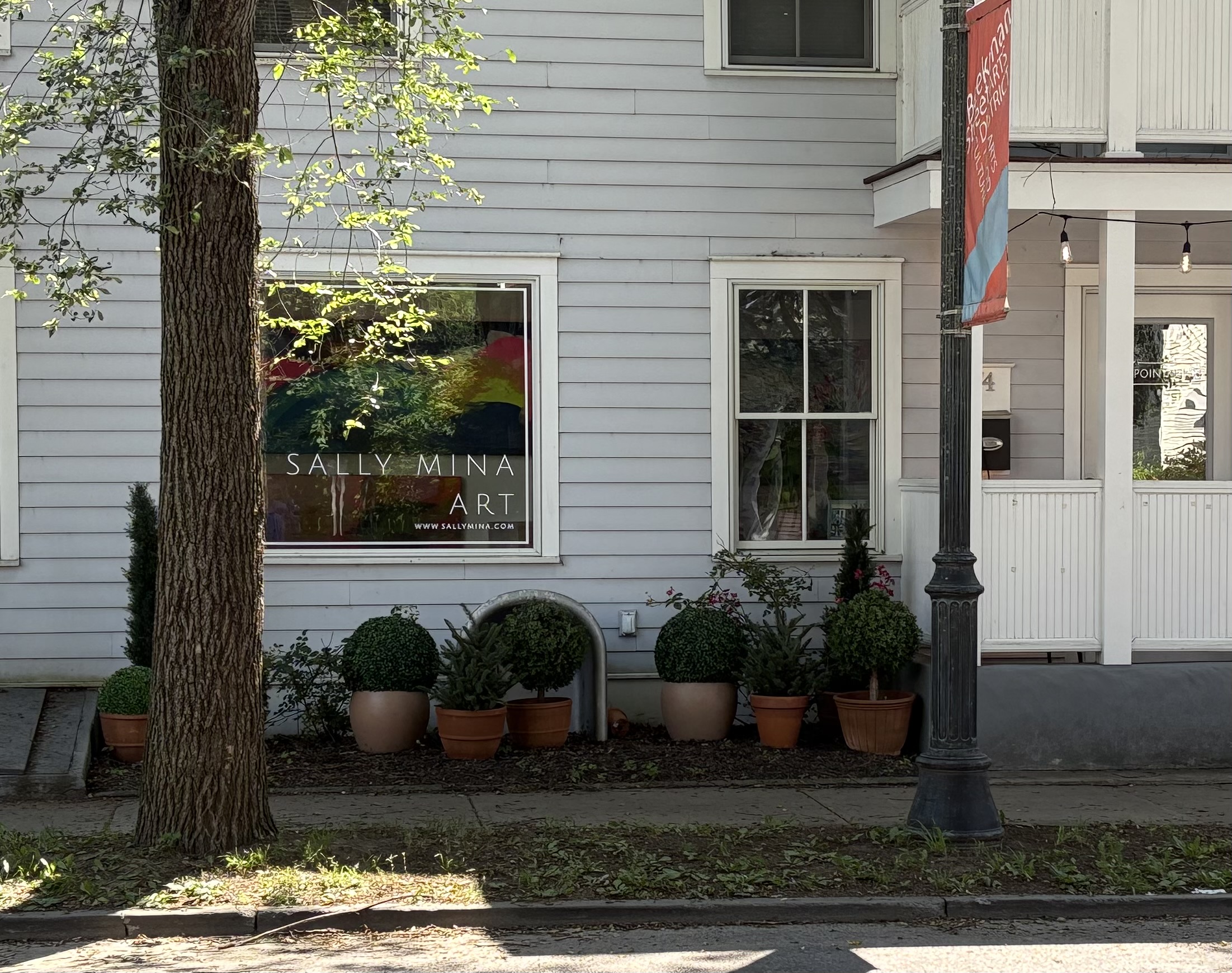
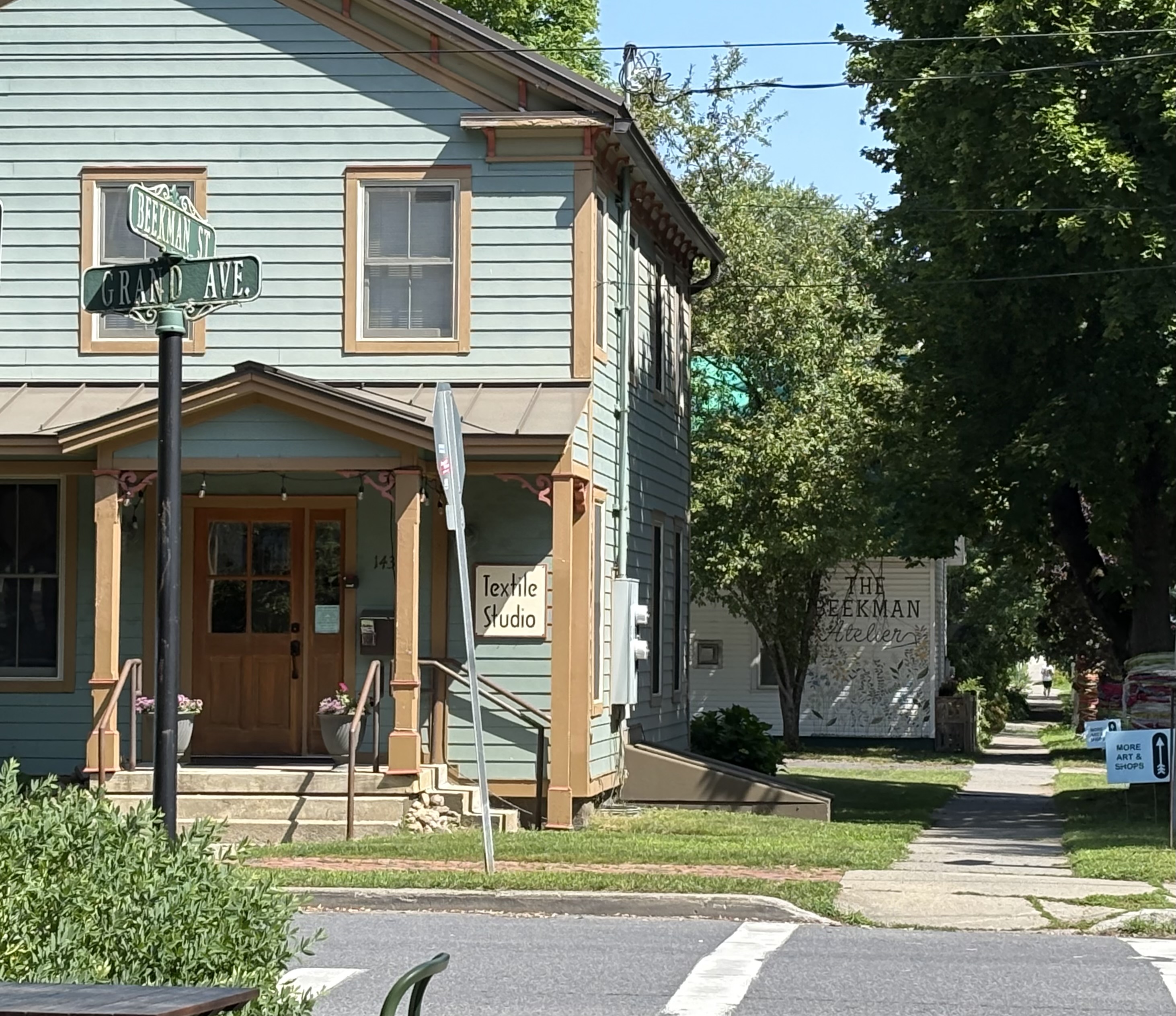
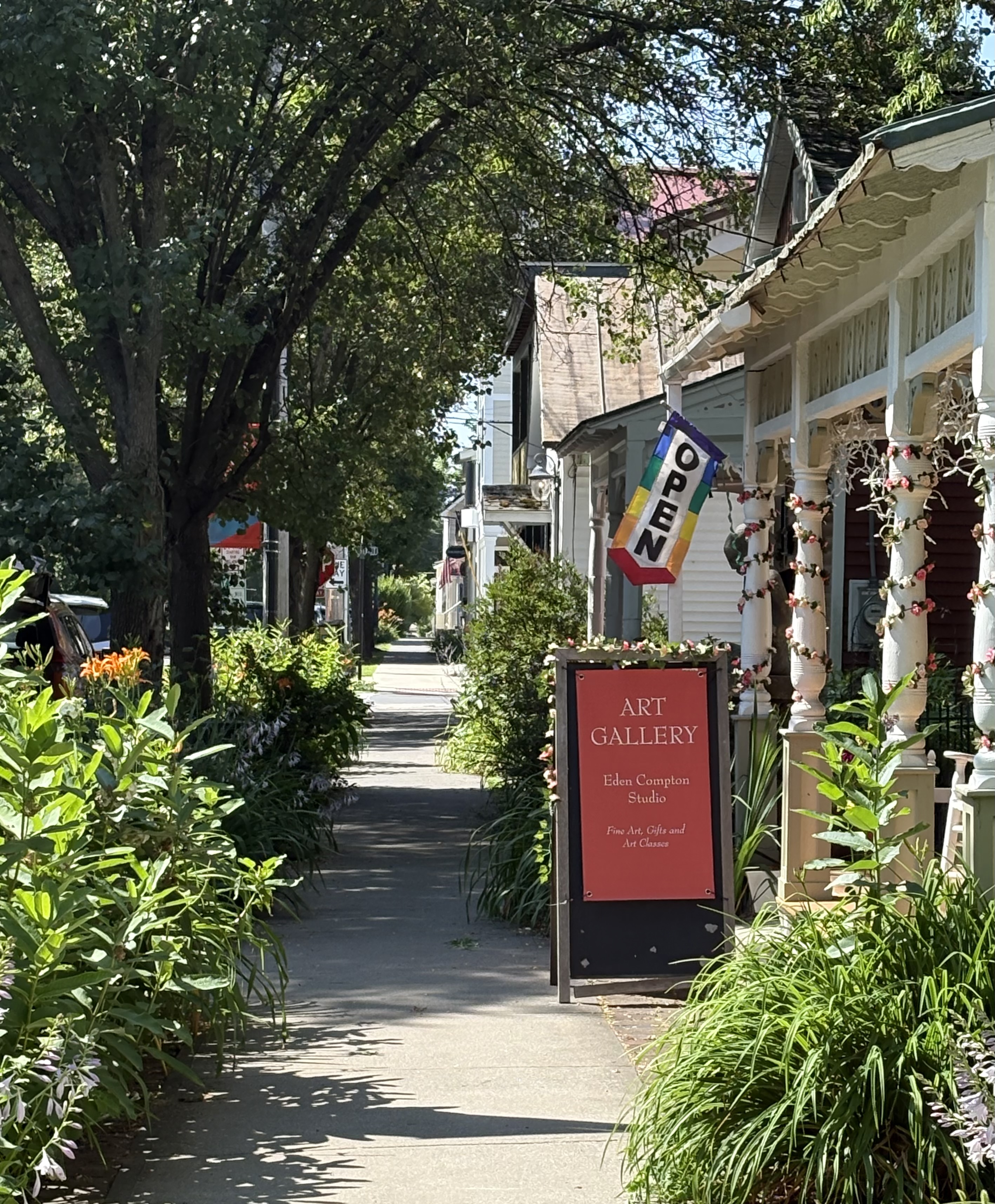
The Beekman Street Arts District
In the 1970s many of restaurants closed as the children began to move away or seek other employment. Urban Renewal was disrupting the adjoining neighborhood on Congress St and the grand hotels suffered a series of devastating fires in the mid 20th century. Passenger rail service directly into the city ended and the railway was moved further west to the outskirts of town. The West Side neighborhood fell into disrepair.
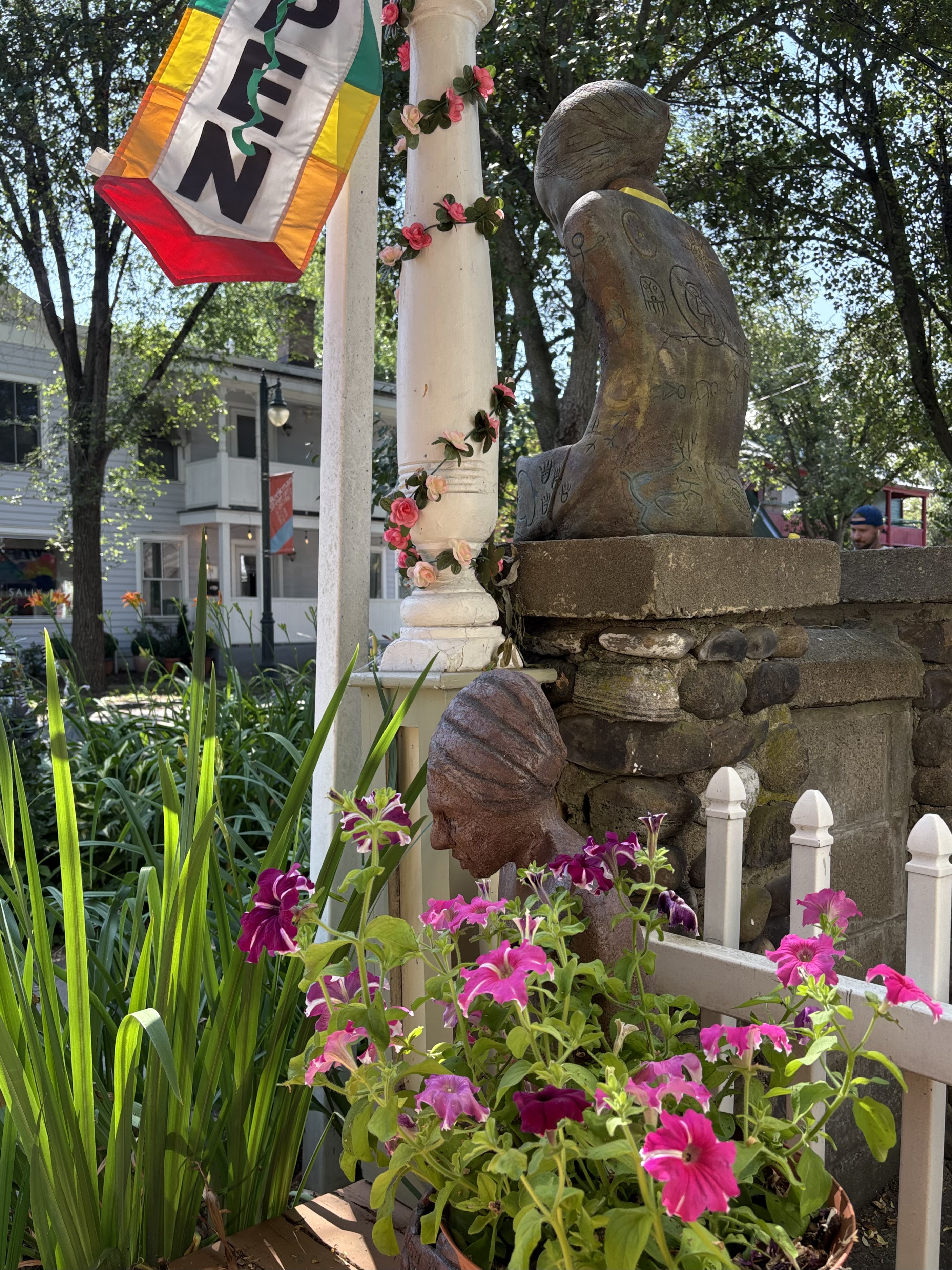
In 2001, a group of artists under the leadership of Amejo Amyot, applied for and received a large block grant from New York State to revitalize and restore the deteriorated buildings on Beekman Street including 79 and 78 Beekman. With the help of the city, the west side was reborn as an arts district. There were over 17 working artists and artists studios along Beekman Street in the early years of the arts district according to Amejo.
The number of businesses and artists on Beekman Street has fluctuated since the arts district’s early days. As Saratoga’s population has exploded, there are fewer affordable places to rent for artists in areas like the West side. Some of the restaurants have closed over the years while others have thrived and remain popular destinations for locals and tourists. There are still a number of working artists with storefronts on Beekman so the street is still an active albeit more quiet alternative to the busy downtown Broadway area.