Walking Directions: Look across the street from Dizzy Chicken you will see an empty area between the tire shop and Federal St. at the bottom of the hill. This would have been the location of the first Frederick Allen Lodge.
Introduction to Stop 15:
The Story
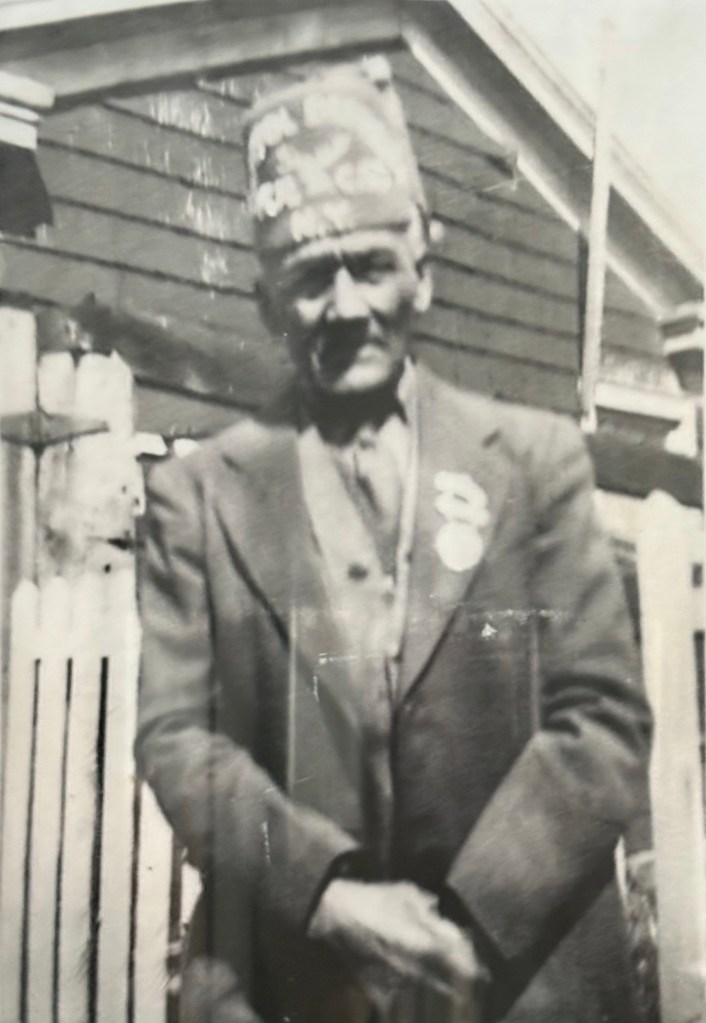
In 1925, the Frederick Allen Lodge #609 established its first home here, surrounded by Black-owned businesses, restaurants, and nightclubs that made Congress Street a vibrant center of community life. The Frederick Allen Lodge was as popular and lively a nightspot as Jack’s Harlem Club or Jimmy’s Bar & Grill further down the street.
Known as the Black Elks Lodge, the organization provided far more than a meeting place. At a time when African Americans were excluded from many white civic organizations, the lodge offered fellowship, leadership, charitable work and a place where Black residents could celebrate their achievements with dignity and pride. Along with its women’s auxiliary, the Mary A. Carter Temple, the lodge still sponsors community events and charities and serves as an important gathering place for the Black community.
One of the social highlights of the year was the Black Elks Ball which was held annually in August until the late 1970s. Guests traveled from across the country to attend the elegant evening at the Canfield Casino. Men arrived in tuxedos, women in their finest gowns and furs dancing beneath the same lavish decorations left behind from the exclusive Whitney Ball held the night before—a fitting symbol of a community determined to celebrate in style despite the barriers of segregation.
After the original Congress Street building was destroyed by fire in 1966, the lodge relocated to its present home at 69 Beekman Street where it continues its mission today. Named for Frederick Joseph Allen—the first Black American employed by the City of Saratoga Springs—the lodge remains a living connection to the neighborhood that once flourished here before urban renewal transformed the West Side.
Listen
Joy King, a direct descendant of Frederick Allen, talks to the interviewers about watching her parents get ready for the Black Elks Ball as a teenager. In the second clip she talks about how important the annual August ball was to the Black Community.
Artwork
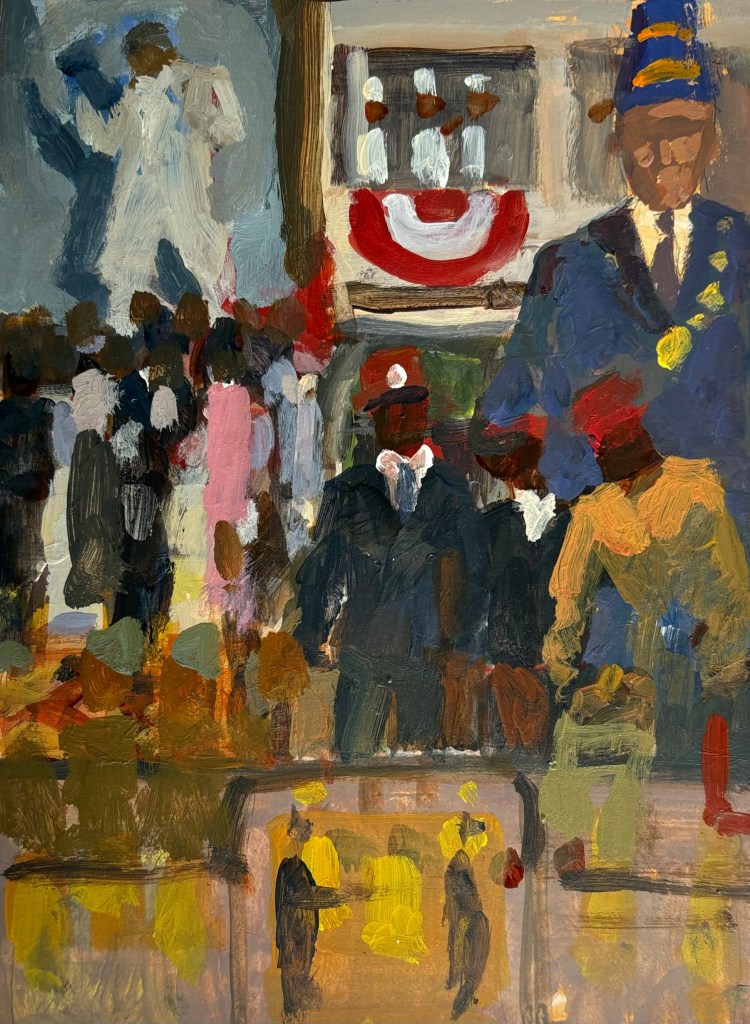
This is a study for the Frederick Allen Lodge narrative painting. The painting features Frederick Allen himself, Red Caps (many of the Lodge’s members were retired Red Caps from Union Station in Albany), the Saratoga Drill Team, Cab Calloway and the Black Elks Ball from the 1950s.
 West Side Heritage Tour