Walking Directions: All the stops for the Black Community portion of the tour will continue along Congress Street towards Broadway.
Introduction to Stop 13
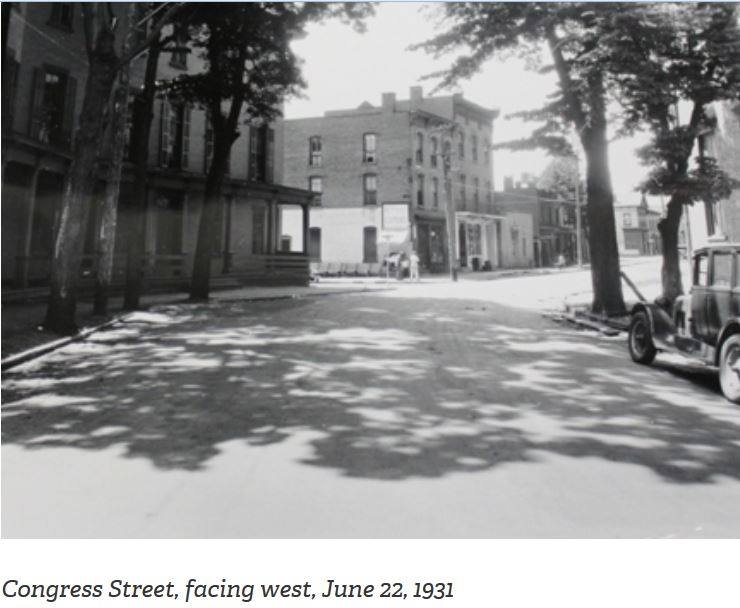
The Story
In the aftermath of the civil war, northern migration of Black Americans increased substantially to fulfill the service requirements of Saratoga’s booming resort and racing industries. Many settled near Congress Street which grew into a vibrant center of Black life and culture from the mid-19th century on. The area was known for its clubs, music halls, boarding houses, and businesses that hosted nationally recognized jazz musicians and entertainers.
While black families did settle in areas other than Congress Street, this area was considered the entertainment hub of Saratoga Springs from the 1920s through 1940s and had the largest concentration of black owned businesses. Saratoga Springs in the summer was a destination not just for the wealthy tourists but for the workers as well. During the racing season, Saratoga offered wages that far exceeded what many Black workers could earn elsewhere. Men and women traveled here from across the Northeast each summer to work in the hotels, restaurants, private homes, racetrack, and entertainment venues.
Mid-20th-century urban renewal dramatically altered this landscape with most of the neighborhood and businesses demolished, destroyed and replaced with parking lots and retail stores. Although there are almost no physical remains of this once vibrant business district, the cultural legacy of Congress Street’s Black community remains an essential part of Saratoga Springs history and heritage.
Listen
This clip from Anita Turner recorded in 1999 recollects that Saratoga was “the place to be” when she was young.
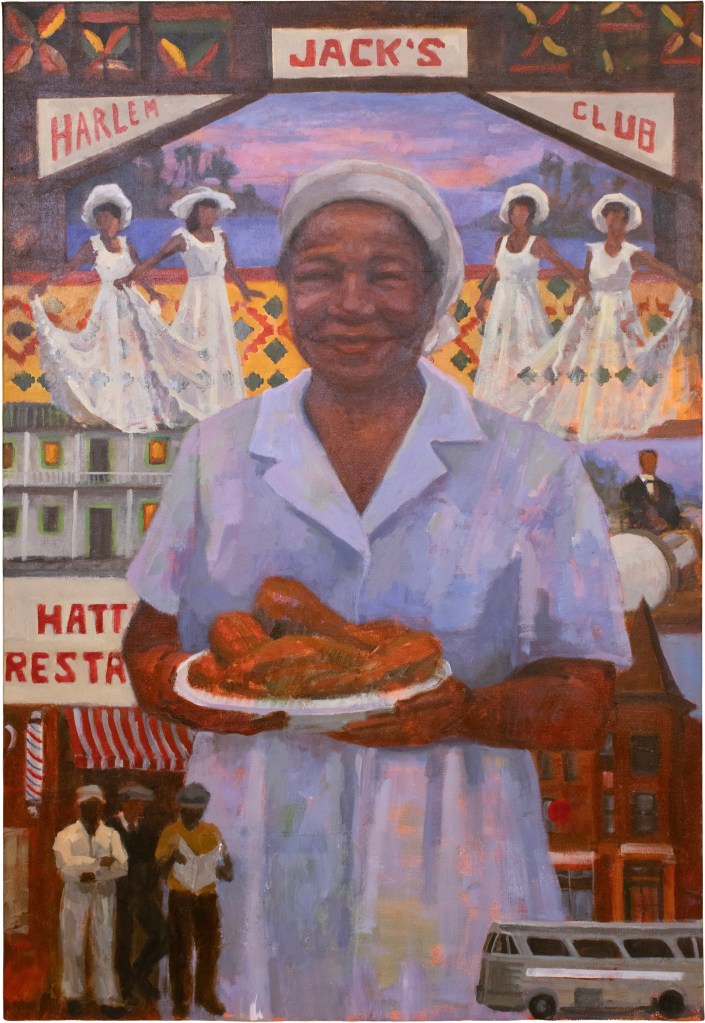
Artwork
Continue the Tour
Please note the QR code numbers are out of order in this part of the tour.
 West Side Heritage Tour